


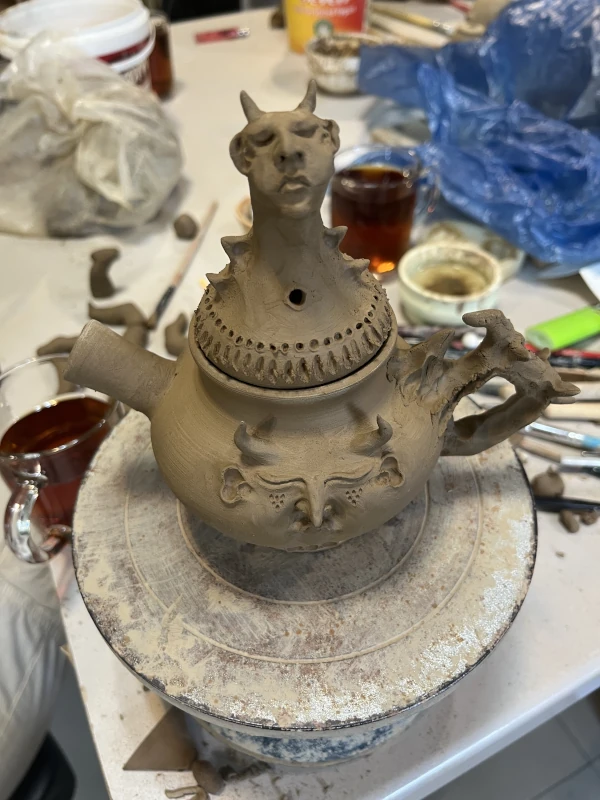
From Simple Tools to Full Studios: Ceramic Equipment for Every Stage
One of the most beautiful things about ceramics is this: you don’t need a fully stocked studio to begin — just a bit of space, a few basic tools, and a deep desire to create.
Unlike many creative disciplines that require expensive gear or specialized environments, clay meets you where you are. Whether you’re working from a small kitchen table, a corner of your garage, or a shared art space, the journey begins the same way: with your hands, your curiosity, and the earth itself.
At the most basic level, your toolkit can be incredibly modest. A sturdy table to work on. A bucket of water to keep your clay moist. A wire cutter, a sponge, and a few wooden or metal shaping tools — that’s it. With just these, you can start building, pinching, coiling, and sculpting. You’ll be amazed at what can emerge from such humble beginnings. These early stages are not just about technique; they’re about forming a relationship with the material, understanding its moods and textures.
If you’re drawn to throwing pots or want to expand your skills, a small tabletop or electric pottery wheel is a wonderful next step. And don’t worry — you don’t need a brand-new machine. Many artists begin with second-hand wheels, sometimes passed down from a mentor or found tucked away in a local ad. These tools carry stories, just like the work you’ll make with them.
Then comes the kiln — often seen as the gateway to real independence in ceramics. At first, many ceramicists rent kiln space at local community studios, schools, or makerspaces. It’s a great way to test the waters and connect with other artists. But when the time feels right, investing in your own kiln (even a small tabletop model) is a total game changer. Suddenly, you’re not waiting for a firing schedule or studio hours. You can glaze, test, and fire on your own timeline. You can take risks, explore new finishes, and develop your voice without constraint.
As your studio and practice evolve, so might your equipment. Maybe you’ll add a vent system for better air quality. Or a slab roller to speed up your process. You might eventually invest in glaze sprayers, pugmills, or even digital controllers to get more precise with firing cycles. These tools can make the work smoother — but they don’t make the work.
That’s the heart of it all: no matter how many tools you collect, your creativity will always be the most important material in the room.
Some of the most moving, raw, and expressive ceramic pieces in the world weren’t made in state-of-the-art studios. They were shaped in backyards, on kitchen counters, or in tiny sheds, with hands dusted in clay and hearts full of vision.
So wherever you are in your journey — whether you’re starting with a plastic bin of clay and a butter knife, or setting up your second kiln — trust that you already have what you need to begin. Tools can grow with time. But the spark? That’s already inside you.
