


The World of Glazes: Skills to Explore and Master
If clay is the body of ceramics, glaze is the soul — mysterious, expressive, sometimes unpredictable, and always alive with possibility.
There’s something magical about watching a raw, chalky surface emerge from the kiln glowing, glassy, and transformed. In those moments, you begin to understand that glazing is more than a finish — it’s a form of storytelling. It’s where science meets intuition, and where every choice you make — from ingredients to application to firing — shapes the final voice of your piece.
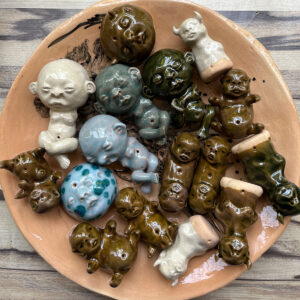
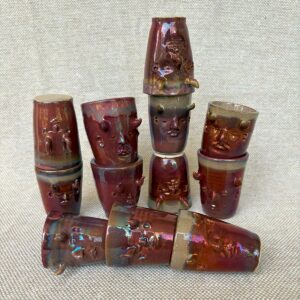
For many ceramic artists, the journey into glazes begins with commercial options. These ready-made glazes are forgiving and reliable, offering a wide palette of textures and tones: glossy, matte, celadon, raku, crystalline, and more. They’re perfect for beginners, and even seasoned artists return to them for their consistency and ease.
But as you grow more curious, something shifts. The desire to experiment takes root. You start wondering: What happens if I adjust the recipe? Add more silica? Reduce the iron? Mix two glazes together? And just like that, you step into the beautiful chaos of glaze chemistry — a realm where minerals, oxides, and fire dance together in surprising and stunning ways.
Creating your own glazes isn’t just a technical skill — it’s an invitation to connect more deeply with the medium. It’s about listening to how your materials behave, and working in collaboration with elements you can’t entirely control. That’s the thrill — and sometimes, the heartbreak — of it all.
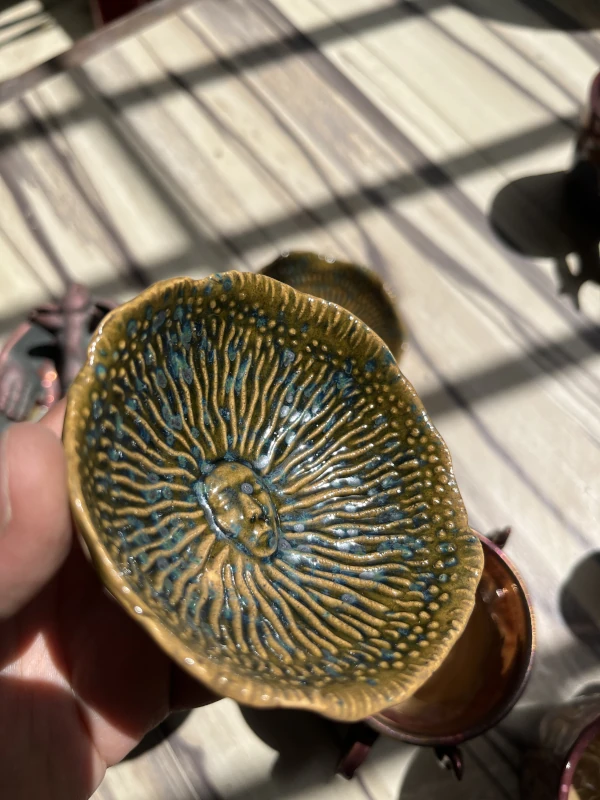
But glazing isn’t only about formulas. It’s also about movement. How you apply a glaze — whether by dipping, brushing, pouring, spraying, or layering — changes everything. A single piece can be calm and uniform, or wild and chaotic, simply based on how the glaze touches the surface. Masking with wax, brushing on gradients, or combining textures can create depth and detail that elevate a form from object to artwork.
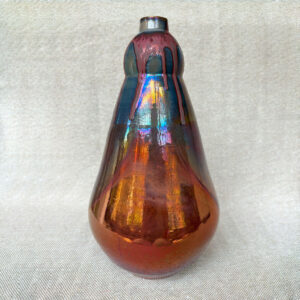
And then there’s the firing — oxidation vs. reduction, electric vs. gas, cone 6 vs. cone 10 — each decision shifts how your glazes melt, crystallize, and settle. You may start with a plan, but the kiln often adds its own opinion. Sometimes it surprises you. Sometimes it humbles you. But always, it teaches.
Learning to glaze is like learning a new language — not spoken, but felt. It’s a language of heat and time, of minerals and patience. And the more fluent you become, the more clearly your work will speak.
Because glazes aren’t just decoration.
They’re layers of experience, both yours and the material’s — shaped by experimentation, fired with intention, and full of stories only you can tell.
